

 Commercial
For a venue like the Royal Albert Hall in London, lighting is not simply a production requirement. It is part of how the room welcomes artists, supports visiting design teams, and helps audiences feel the scale and character of the event they came to experience.
That balancing act is especially complex inside one of London’s most recognizable performance spaces. The Hall supports nearly 400 events a year, with a program that can shift quickly between live music, orchestral performances, film screenings, spoken-word events, televised productions, and other cultural programming. Each format brings a different creative brief, a different technical pressure, and often a different visiting lighting designer.
The venue’s recent investment in an expanded lighting inventory reflects that reality. Rather than building around a single type of show, the Hall has focused on flexibility, output, quiet operation, serviceability, and product familiarity. The result is a house rig designed to give incoming teams a reliable starting point while still leaving room for distinct creative approaches.
A House Rig Built for Range
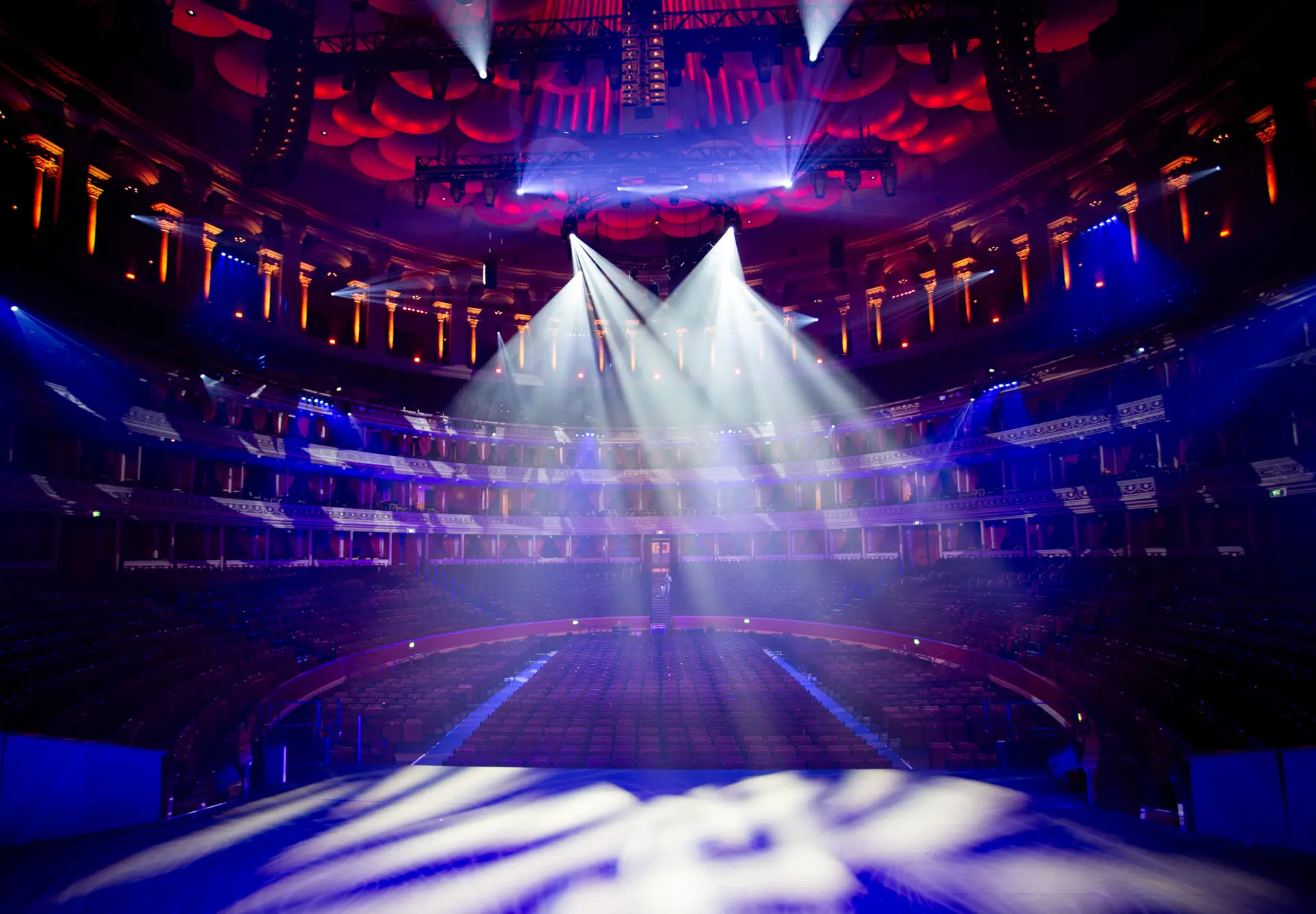
In the main auditorium, the Hall maintains an inventory that includes Martin MAC Ultra Performance, ELP PAR, MAC Aura XIP, MAC Encore Performance CLD, and MAC Viper Wash DX fixtures. In a smaller performance space within the building, the lighting package includes MAC One, ERA 400 Performance CLD, and ELP CL Profile fixtures.
The selection is less about any single fixture and more about what the combined system allows the production team to do. The MAC Ultra Performance units support long-throw lighting positions with saturated color, precise focus, and beam-shaping capability. Just as important for a mixed-use venue, their low operational noise helps protect the listening experience during spoken-word programming, film screenings, or orchestral work.
The ELP PAR fixtures add color across the auditorium, with zoom capability that has been useful for ACL-style looks in rock and pop productions. Their output has also helped the venue light the auditorium for broadcast applications without requiring additional fixtures. MAC Aura XIP fixtures, meanwhile, are part of a deployable floor package that can move between performance spaces and operate as wash fixtures or visual effects elements, depending on the needs of the show.
Design Consistency for Visiting Teams
The Royal Albert Hall is not working in isolation. Many productions arrive with their own creative teams, and many lighting designers return to the room year after year. That makes fixture familiarity and creative compatibility part of the venue experience.
Richard Thomas, Lighting Designer at the Royal Albert Hall, notes that the venue needs fixtures that incoming designers already know and want to use. A flexible house rig helps the room adapt to a wide range of creative requirements, reducing friction for visiting teams while preserving the Hall’s ability to support distinct productions.
That approach also creates a more predictable foundation for upgrades. Returning designers can expect continuity with the tools they’ve used before, while still gaining access to newer performance, color, control, and effects capabilities as the inventory evolves.
Performance, Sustainability, and Service Life
The installation also speaks to broader pressures facing performance venues: lower energy use, higher output, more features, and equipment that can withstand an intense calendar. Jon Vivash, Lighting Operations Manager at the Royal Albert Hall, points to lower power consumption, brighter fixtures, and richer feature sets as increasingly important considerations as the venue continues its sustainability initiatives.
Reliability and support carry equal weight. “With nearly 400 events annually, we expect a lifespan of at least 10 years for our fixtures,” Vivash says. “Maintenance has become really simple, and the modular build of all the fixtures is fantastic.”
For architects, designers, builders, and integrators working in complex venues, that is a familiar lesson: the most successful technology choices are rarely made on performance alone. They have to account for operations, staffing, service access, sustainability goals, and the way a space will be used by many different people over time.

A Feedback Loop Between Venue and Manufacturer
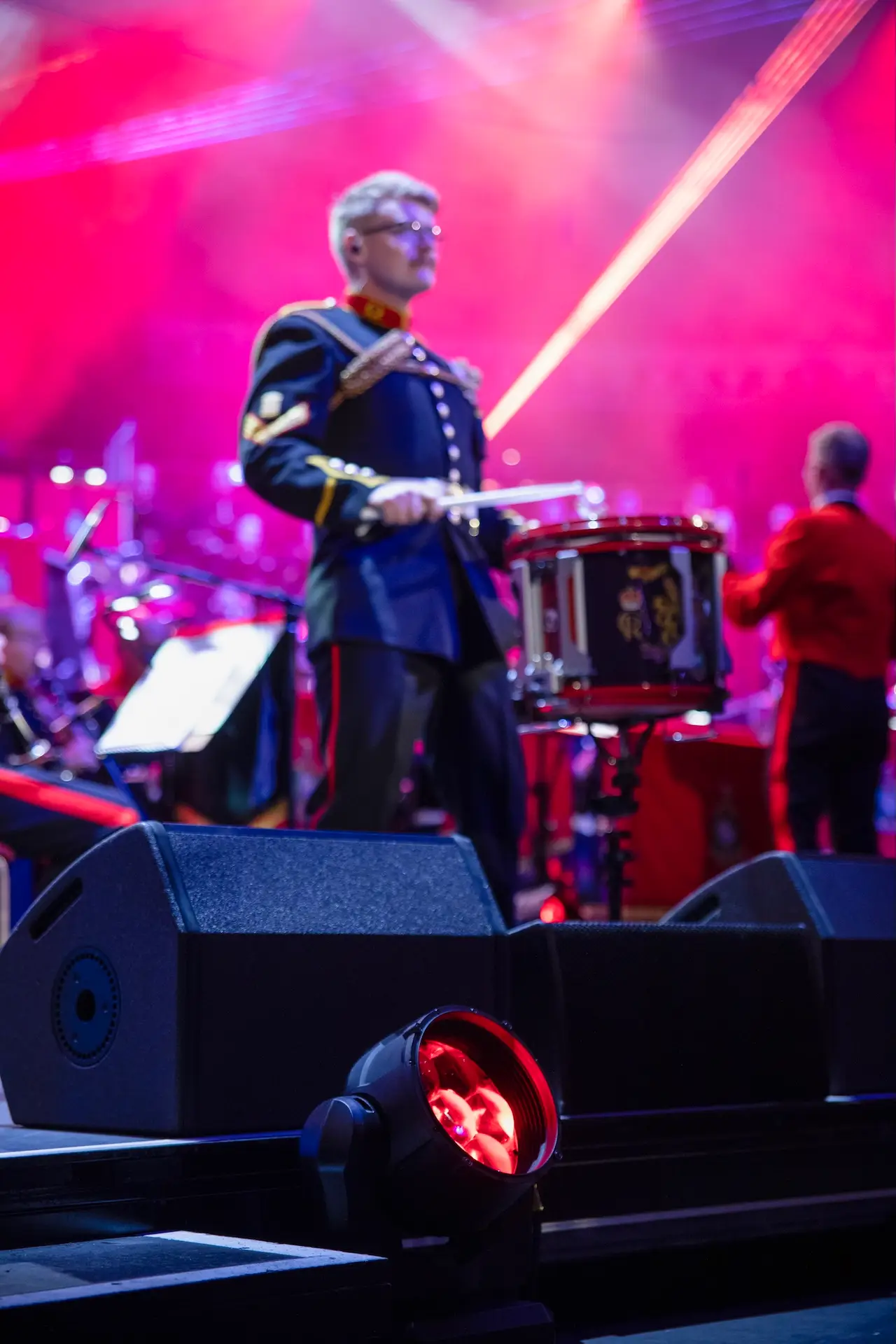
The partnership between the Royal Albert Hall and Martin Professional, a HARMAN Professional Solutions brand, formalizes a two-way exchange between a demanding real-world environment and the product-development process. For the Hall, that means closer access to product support and future technology planning. For the manufacturer, it means input from a venue where fixtures are tested across a wide spectrum of live-event conditions.
Vivash describes the Hall as a real-world validation environment for future products, with the venue able to share the practical requirements that a busy international performance calendar places on lighting systems. That kind of collaboration is increasingly valuable as venue teams look for technology that can satisfy creative ambition, operational discipline, and sustainability targets at once.
Olivia Sangster-Bullers, Head of Production and Technical at the Royal Albert Hall, frames the role of lighting in experiential terms: helping the Hall remain a place of wonder, where artists are supported and audiences feel part of something extraordinary. In that context, the equipment list matters, but the larger achievement is the way the technology supports the identity and rhythm of the venue.
Equipment
- MAC Ultra Performance
- ELP PAR
- MAC Aura XIP
- MAC Encore Performance CLD
- MAC Viper Wash DX
- MAC One
- ERA 400 Performance CLD
- ELP CL Profile
