



The first quarter of the year always brings fresh perspective. From CES and ISE to IBS and KBIS, the industry gathers to preview what’s next — in technology, materials, and the way homes are designed.
Across these events, several themes are beginning to take shape. Residential interiors are leaning into layered materiality and tactile richness. Color palettes are warming and becoming more expressive. And lighting is increasingly treated as an experiential element shaped around comfort and human-centric living.
Not every design movement calls for more technology. But many of today’s emerging trends place new demands on how light, comfort, and performance are managed within a space. For integrators and designers, the opportunity lies in aligning system design with architectural intent, ensuring that lighting, shading, and automation support the materials, mood, and function of the home.
Here are three ways thoughtful system design can complement some of the defining residential trends emerging for 2026.
Layered Materiality & Textural Richness: When Technology Must Match the Tactile Moment
From textured plaster walls and fluted wood paneling to veined stone, mixed metals and patterned surfaces, interiors are moving away from flat minimalism and toward dimensional richness (as noted in House Beautiful’s 2026 design trend coverage).
This broader shift toward layered materiality has implications beyond finishes; it changes how technology must behave inside the space.
When designers are carefully balancing hard and soft surfaces, matte and polished finishes, sculptural forms and architectural detail, system components can no longer feel neutral or invisible by default. They must integrate intentionally into the material story.
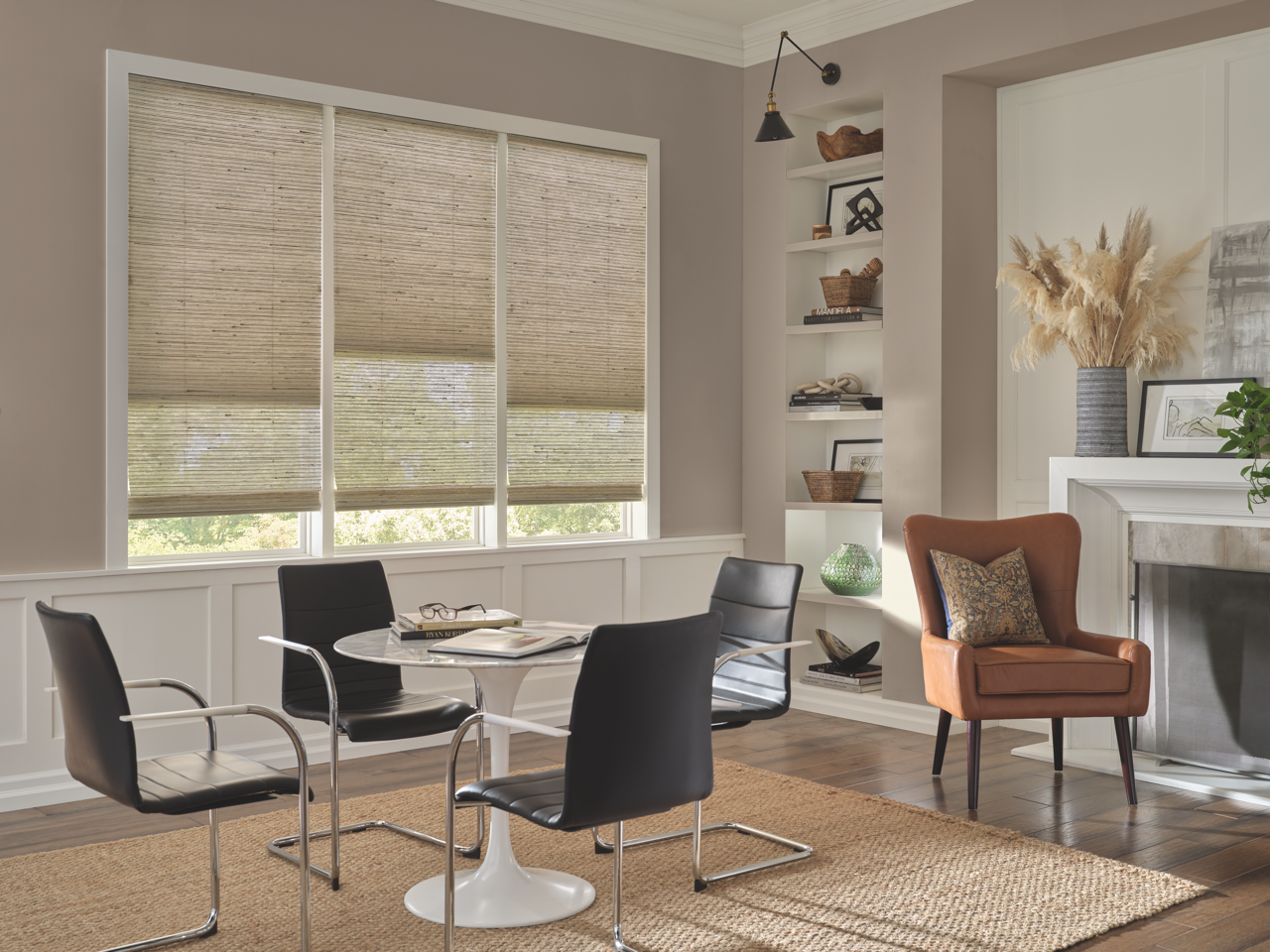
Shading, in particular, becomes a key bridge between architecture and automation. Fabric introduces softness against stone and metal. Texture at the window can complement fluted cabinetry, woven furnishings or natural wood elements. And just as importantly, layered interiors demand layered light.
Reflective materials and dimensional surfaces amplify natural light in complex ways. Without thoughtful daylight management, glare can flatten texture and wash out color. For integrators, this creates an opportunity to collaborate earlier in the design process, helping modulate brightness, preserve depth and ensure that expressive materials perform as beautifully as they photograph.
In texture-forward homes, daylight becomes another design material. Automation becomes the mechanism that shapes it.
Integrators who understand how lighting, shading and control systems support material storytelling will be positioned not just as installers, but as creative partners in the design process.
Immersive Color Requires Invisible Infrastructure
While material layering adds depth through texture, 2026’s move toward warmer, more expressive color palettes adds emotional depth.
Recent reporting from Homes & Gardens and Forbes points to a shift away from cool neutrals toward olive greens, deep plums, creamy tones and saturated earth hues. Designers are increasingly embracing color drenching — enveloping walls, millwork and architectural elements in a single tonal story to create immersive environments.
Where texture creates dimension, color creates atmosphere. And immersive color requires continuity.
In color-forward spaces, even small visual interruptions can break the experience. A mismatched keypad finish, exposed wiring, bulky shade hardware or inconsistent lighting temperature can subtly undermine the designer’s intent.
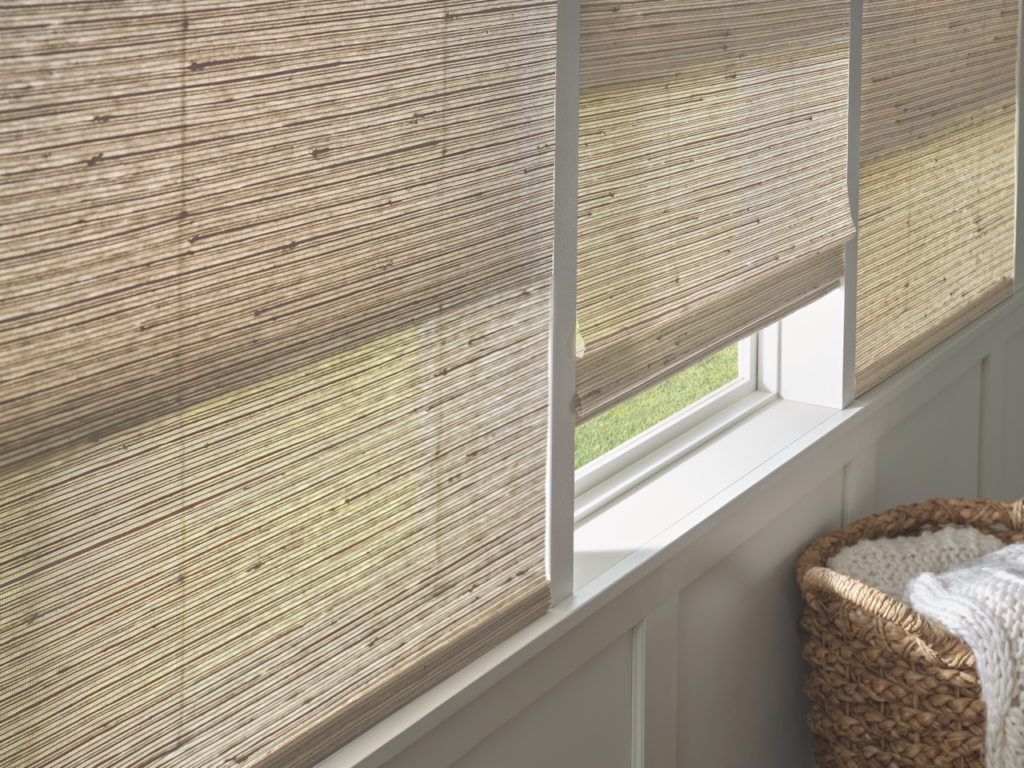
For integrators, this is less about adding more technology and more about refining how technology presents.
Fabric and finish options that complement, rather than default to white, support cohesive palettes. Lighting and shading automation, when thoughtfully tuned, can maintain tonal balance throughout the day so warm palettes retain their depth from morning to evening.
The opportunity isn’t to dominate the design conversation, it’s to protect it.
As interiors grow more expressive, the most sophisticated system design may be the one that quietly preserves the emotional tone of the space.
Human-Centric Environments: Orchestrating Light as an Experience
If texture defines dimension and color defines atmosphere, light defines how a space is lived in.
Trend reporting from NKBA and broader 2026 design forecasts points to a continued shift toward layered lighting strategies — balancing task, ambient and accent illumination — alongside interiors designed to feel emotionally supportive and responsive. Increasingly, light is being treated not just as a utility, but as an architectural element that shapes comfort, focus and mood.
And that includes natural light.
Designers are thinking more intentionally about how daylight enters a space, how it interacts with materials and how it transitions throughout the day. The goal isn’t simply brightness, it’s balance.
For integrators, this is where system design becomes experiential.
Artificial lighting layers may be tuned for morning clarity, midday productivity or evening relaxation. But without coordinating daylight, those carefully crafted scenes can feel incomplete. Motorized shading allows natural light to be filtered, redirected or softened so it works in concert with the lighting plan rather than against it.
More importantly, synchronization matters.
When shading automation is integrated into lighting scenes and daily routines, homes can subtly shift throughout the day, adjusting brightness, preserving warmth and maintaining visual comfort without manual intervention. The result is not just convenience, but environmental coherence.
This is the essence of human-centric design: spaces that respond to how people live, move and feel.
Integration as the Final Layer
The design movements taking shape for 2026 don’t demand more technology, they demand better integration. As materials grow richer, palettes more expressive and lighting more experiential, integrators have an opportunity to move upstream in the design conversation. By aligning lighting, shading and automation strategies with architectural intent, they can help ensure that immersive spaces perform as beautifully as they look.

