



Without getting too fanboy-ish, let me just say that there’s a lot one can learn from sitting through an Apple keynote. The way they go about their business – from product development through post-launch marketing – is just on another level. Especially among their most ardent supporters, they’ve established a level of trust and loyalty that is simply unmatched.
They’ve created an ecosystem that’s hard to get out of (if you even wanted to leave it in the first place). Heck, even the tech enthusiasts and other brands have trouble ignoring Apple when they host an event or announce something “new.” They’re living rent-free in the heads of just about every Samsung Mobile employee, especially the social media team over there.
Regardless, when Apple speaks, people pay attention.
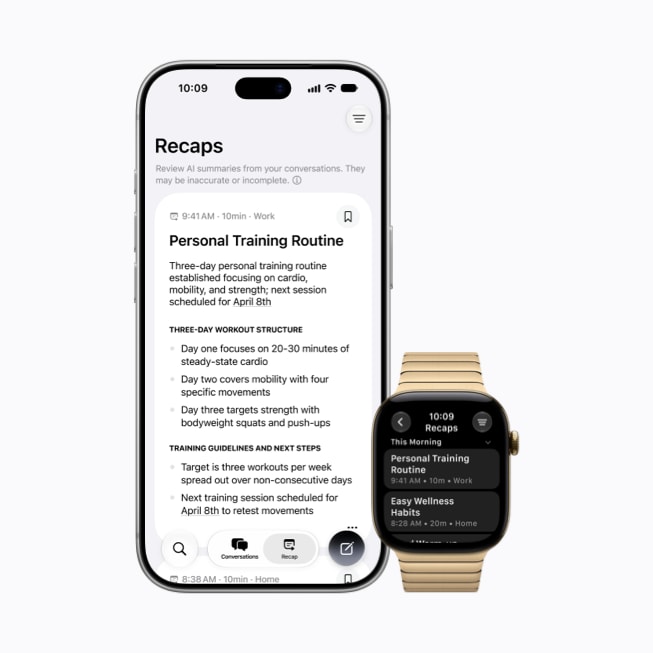
And while much of that attention was on the new iPhone Duo this week, another item seemed to cause many ears to perk up: Audio Intelligence. The new Apple Watch ambient listening tool that’s going to power a number of features like Siri Recap, Live Rewind, and Shazam and Sound Recognition.
Watching the keynote as this was announced, I could almost hear the gasps across the industry and the immediate privacy and security hot takes. “My watch is always listening to me now? No thanks! Too far!”
Hit the pause button real quick on all that.
How long have we been making jokes about Zuckerberg and his team eavesdropping on our conversations to target ads about that new prebiotic you talked about once with that coworker over lunch? The company has sworn over the years that it doesn’t actively listen to our conversations. Rather, they stalk us in other ways using things like geolocation, proximity to other individuals with similar interests, etc., to build profiles on all of us.
Then, let’s think about the myriad devices in our homes – especially the smart speakers we talk to that help us control our increasingly smarter homes. We’ve been living with so many products for so many years that all “could be listening” to us on the down low. So, getting all up in a tizzy now because Apple said the thing out loud is just a tad ignorant. The Apple Watch you’ve been wearing for years (or, more likely, that Galaxy Watch) has had speakers and microphones built in since it launched in 2015.
What you might’ve missed while getting all up in arms over this is how Apple explained the technology will actually work and how they have prioritized privacy and security of the end user.
For starters, the features are all opt-in only. You have to give the Watch permission to analyze the audio signatures happening around you. So, if you’d feel more comfortable with them off, make sure you don’t just haphazardly accept all the terms and conditions before use like I’m sure you do with so many other apps you install or devices you connect to your home network. Then, there’s the fact that Apple will not store the audio and any processing will happen locally on the device or “in secure environments.” No permanent recordings or transcripts will be saved, and the raw audio is deleted immediately after processing, according to Apple. Users can choose to save Live Rewind snippets and Siri Recap summaries, but even those will be end-to-end encrypted and saved in the Siri app.
Naysayers will roll their eyes and choose to not believe any of that – and then immediately head over to OpenAI’s ChatGPT platform to ask for data to support their privacy concerns that they can use in an X post (which, we’re still reminding you is formerly Twitter), the platform owned by Elon Musk.
Catching my drift?
The full-circle connection here is that Apple has defined itself as a trustworthy brand. They’ve made that a hallmark of who they are, and it’s a major reason why many of their users won’t so much as bat an eye at the thought of opting into those Audio Intelligence features. They trust that Apple’s products are safe and secure. They believe it when they say the audio is processed locally or in a secure environment.
Think more generally about how Apple launches product, too. Just like with the iPhone Duo. It’s “seven years late” to the foldable phone party, as Samsung pointed out during their spurned-ex-style tweetstorm. Apple has never been concerned about being the first to the party with a new product launch. They’d rather sit back, see how consumers react to those early devices, do their homework, and then build (in their minds) the best product possible. That approach applies to the features baked within their devices as well.
What all this tells me that Apple feels the timing is right and consumers are ready for these Audio Intelligence features. Products like Plaud (those credit-card sized conversation recorders) already do the job of Siri Recap. Even Zoom and other virtual meeting platforms have started sharing meeting recaps. My guess with the Apple Watch is that’s how most users will deploy the tech – turn “listening mode” on during a call or in-person meeting to capture that recap, allowing them to stay more present in the conversation.
So, while it might be jarring to hear the features explained, none of this is new. Have a little more trust in the products you use. Or, if you don’t, the doors to Apple Park are always open.
