


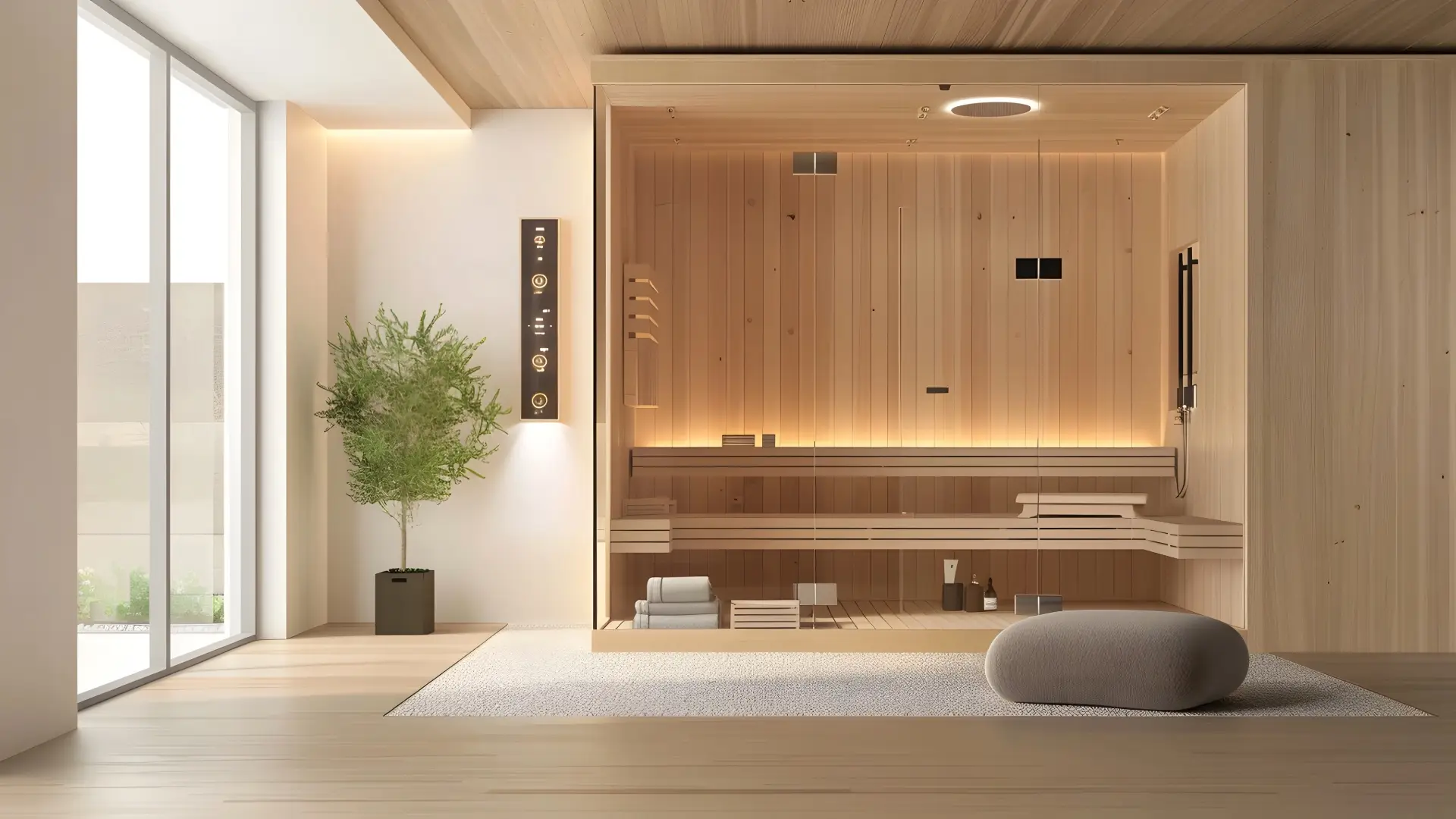

For years, audio in wellness and furniture design was treated as a finishing touch, often a speaker added late in development to check a box. That approach no longer holds as industrial design, materials, and core features become increasingly standardized across categories. In wellness devices, connected furniture, and other emerging products, audio is moving to the center of the design process, where it can transform a technology stack into an experience. For brands, the question is no longer whether audio matters, but whether it is part of the fundamental expression of their core principles and it’s being considered early enough to shape the product rather than simply support it.
Companies that lead in high-end or luxury wellness categories are recognizing that users often judge a product within seconds of hearing it. Research from Delft University of Technology has found that a product’s sound can shift how people rate its overall quality and pleasantness, independent of how the product looks. When hardware, displays, and feature sets start to look alike across a category, audio becomes one of the few elements a brand can use to create a signature that competitors cannot easily copy. Sound can influence perceptions of quality, luxury, trust, comfort, and immersion, and integrating audio early can create differentiation, add premium value, and open new market opportunities.
Designing Around a Unique Mandate
Wellness products face a different design mandate from most consumer electronics. Beyond informing or entertaining, they are intended to provide relaxation, comfort, and a sense of safety. That purpose changes what a design team must solve for. Connectivity and clean acoustics remain essential, but they are now baseline requirements. The harder question is when and how a product should create a quiet ambience instead of filling a room with sound.
Consider autonomous sensory meridian response (ASMR), a phenomenon characterized by tingling sensations and feelings of relaxation in response to quiet, intimate sounds. Soft whispers, the rustle of a leather seat, and gentle taps can create a sense of closeness that loud, room-filling audio cannot. That response helps explain why subtle sound has become relevant to wellness and luxury design: When rendered convincingly, it should make an experience feel deeply personal, calming, and secure. In terms of Maslow’s Hierarchy of Needs, a wellness device with a well integrated acoustic system design will elevate the experience from merely physiological needs of basic auditory sensation to higher levels of security, intimacy and fulfilling actualizations.
Research supports a physiological component to ASMR. In a 2018 study from the University of Sheffield and Manchester Metropolitan University, published in PLOS ONE, researchers found that participants who experience ASMR had lower heart rates and reported greater calm and relaxation while watching ASMR videos than participants who do not experience it. A separate fMRI study published in BioImpacts associated ASMR with activity in brain regions involved in reward and emotional arousal. For brands designing products for relaxation, sleep, or focus, the implication is clear: Sound should be treated as part of the intended response, not simply as content delivered by the product.
What Actually Separates Luxury Sound
It is easy to assume that luxury audio means bigger, louder, or more powerful. In wellness and furniture design, however, bigger does not necessarily mean better. The engineering challenge may be to cleanly render a low-volume cue such as a soft whisper while maintaining an excepsionally low noise floor. This would require significantly higher headroom and wider dynamic range in conversion and amplification stages, faithful high frequency renders with minimal distortion, and precise phase coherence with board off-axis sound-staging.
That quality threshold is fragile. Background static, sudden volume spikes, or low-frequency hum can quickly break the illusion of intimacy a product is trying to create. Controlling those disruptions is an especially difficult engineering challenge. It is also a meaningful benchmark for brands determining whether their audio delivers a luxury experience or is merely high-performing by conventional standards. The principle is similar to the use of a signature scent throughout a high-end hotel or resort. The best home audio, and the best curated environments more broadly, work the same way: They are subtle and consistent enough to become part of how a space is remembered without demanding a guest’s conscious attention.
Focusing on the Wellness Buyer
Wellness buyers are not always the same audience as ultra-luxury buyers. Many seek a genuine sense of escape, comfort, or restoration rather than bespoke exclusivity or status, and they have the disposable income to invest in that experience. That distinction changes how success is defined. A wellness product does not need to announce itself. It should disappear into the moment it is helping create, whether that means unwinding after a long day, falling asleep, or simply feeling safe and undisturbed at home.
Similar principles are already showing up in familiar consumer applications such as active noise cancellation in headphones and earbuds, where built-in microphones and digital signal processing generate anti-noise so a listener in a loud environment can still hear music or a call clearly. That same underlying technology is expanding beyond personal devices. Some appliance makers are applying active noise reduction to household equipment that has traditionally introduced unwanted sound into the home.
Where Embedded Audio Design Is Headed
As wellness and furniture categories continue to expand into new form factors, brands should expect the same standard to apply — audio that is curated as carefully as materials, lighting, and craftsmanship, not layered on top of them. The category is moving toward highly intentional, almost intimate sound design that accounts for the existing soundscape of a carefully designed home and ensures engineered audio complements it rather than competes with it.
Audio is no longer an accessory to the product experience. It is one of the primary ways a brand can build an emotional connection, reinforce its identity, and signal quality to the people who use its products every day. Brands that treat it as a late-stage feature will find themselves playing catch-up to their competitors. The brands that build it into the design conversation from the start, with the same attention given to materials and craftsmanship, are the ones that will define what premium wellness and luxury furniture sound like next.
