



The latest Sotheby’s International Realty 2026 Mid-Year Luxury Outlook report gives the luxury residential market a familiar headline: Resilience. But the more useful story for the design/build and integration channel is what wealthy buyers now expect that resilience to look like inside the home.
Yes, the report points to continued strength in the upper end of the market—a common refrain over recent years. It cites wealth creation through equities and real estate, a rising pool of younger high-net-worth buyers, tight inventory in many prime markets, and the durable pull of global cities. But threaded through the report is a more specific shift where luxury is moving from a trophy-property mindset toward one baked in a long-term livability.
That’s why the report’s section on the “aging millionaire boom” deserves close attention. Sotheby’s argues that longer life expectancy, wellness economics, and a desire to age in place are reshaping home design, location choice, and even the circulation of inventory in prime markets. In plain terms, affluent homeowners are not necessarily moving into retirement communities or downsizing out of large residences. Rather, many are staying put, buying second homes that become semi-permanent bases, or commissioning residences meant to support several decades of changing family needs.
For the integration channel and supporting trades, that should serve as a direct business signal. The next wave of luxury residential work will not be won only with beautiful finishes, panoramic views, or a gym tucked somewhere near the garage. It’ll require homes that make wellness, comfort, privacy, safety, adaptability, and connected technology feel like one coherent experience.
Wellness Moves From Amenity to Infrastructure
Sotheby’s highlights a global longevity market projected by UBS to grow from $5.3 trillion in 2023 to $8 trillion by 2030, while the Global Wellness Institute projects wellness real estate to top $1.114 trillion by 2029. Those figures reframe the luxury home as a wellness platform, not simply a place where wellness amenities are installed.
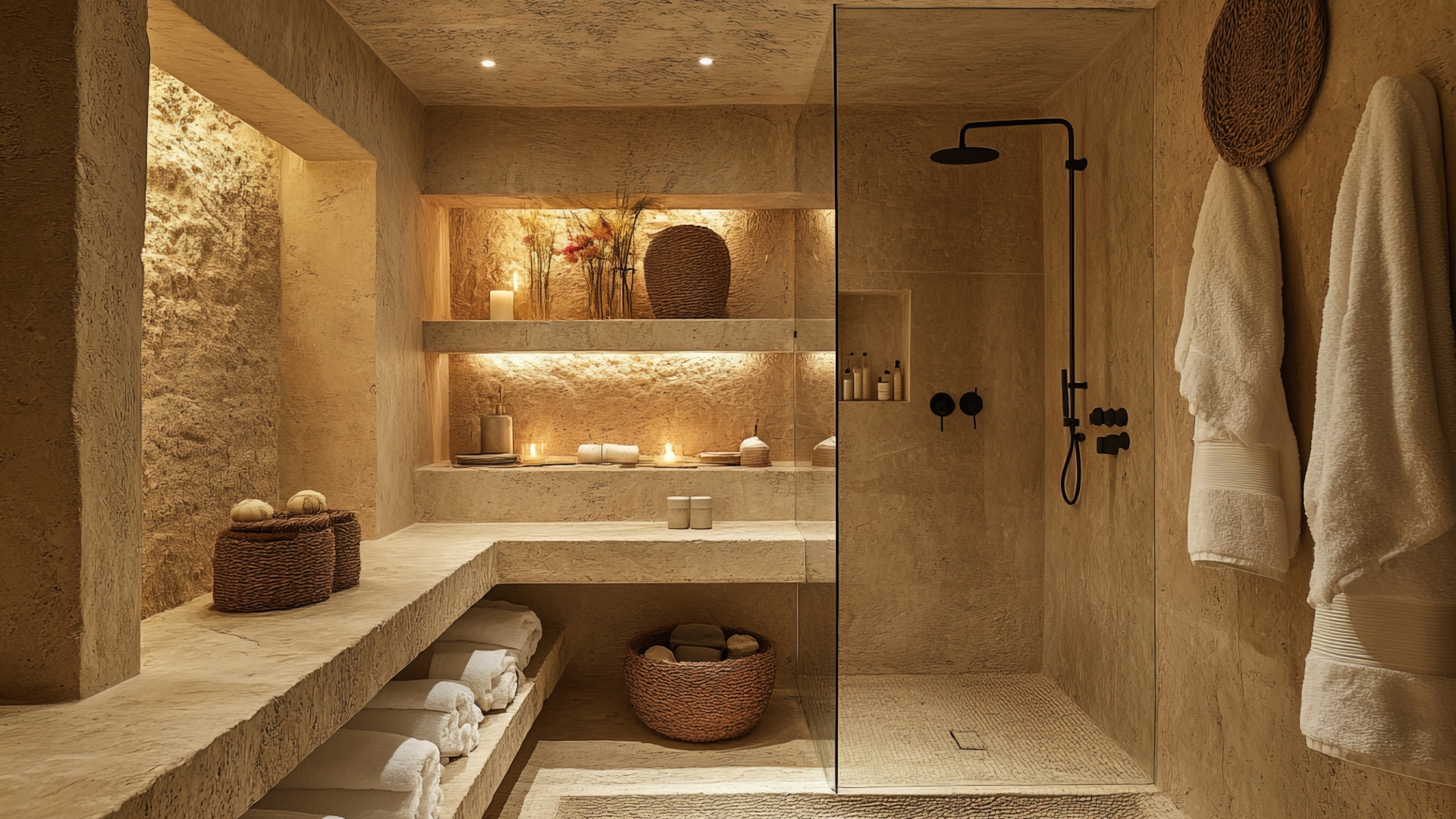
The report lists the features buyers are seeking: universal design, single-story preferences, curbless baths, access to nature, walking trails, water views, air and water filtration, saunas, steam rooms, cold plunges, red-light therapy, massage rooms, gyms, smart monitoring, staff support, private chefs, and plant-forward dining. The list is broad, but the organizing principle is simple. Luxury clients want the home to actively protect quality of life.
That expands the role of the integrator and the design team. No, you can’t help address the at-home chef and support staff on duty for the resident. But you can certainly play a role in addressing how the home integrates things like circadian lighting, air and water quality solutions, motorized shading, environmental sensors, access control, tele-health readiness, discreet monitoring, and whole-home controls. Together, when thoughtfully planned, these become part of the client’s personal health and independence strategy over an extended period of time.
The Age-In-Place Brief Is Getting More Sophisticated
Nearly 40 percent of the $10 million-plus real estate professionals in the Sotheby’s agent survey said aging in place is a growing concern among homebuyers. That number should get attention, but the bigger shift is qualitative. The luxury age-in-place brief isn’t about making a home feel clinical. It’s about preserving elegance, autonomy, and hospitality while quietly reducing friction.
That means the best projects will hide practical resilience inside high design. A main-floor suite shouldn’t read as a compromise. A curbless bath should feel like an architectural decision. Fall-aware layouts, slip-resistant surfaces, layered lighting, and easier circulation should be resolved early enough that they don’t look retrofitted later. Smart monitoring should be useful without making the home feel watched. You get the idea.
The report also points to a rise in multigenerational living among affluent families. That matters for space planning and infrastructure. Staff quarters, guest suites, acoustic separation, flexible offices, wellness suites, and independent zones may become as important as the formal entertaining spaces that once carried the luxury brief.
Younger Buyers Want Future-Proofed Homes Too
One of the more interesting findings in the broader report is that longevity is no longer only an older-buyer story. Sotheby’s says millennials showed the biggest surge among luxury buyers in its agent survey, and that younger affluent buyers are entering the market with a long-term lifestyle lens. They may describe the brief differently—performance, flexibility, turnkey living, privacy, design quality—but the end result is closely related.
And that’s where integrators, designers, and builders have a meaningful advantage. A home that is flexible enough for a young family, a hybrid work life, aging parents, visiting relatives, wellness routines, and eventual mobility changes needs thoughtful technology architecture from the beginning. Wiring, network design, lighting zones, sensor placement, control logic, and service access are the quiet bones of a residence that can adapt without constant disruption.
Sotheby’s also notes that turnkey properties with strong interiors are outperforming in markets such as London, San Francisco, Sydney, and New York. That shouldn’t be read as clients becoming less demanding. It means they’re less patient with projects that ask them to solve for complex systems after closing. Design and technology teams that can deliver a finished, well-orchestrated home will find themselves better aligned with where buyer expectations are moving.
Cities, Communities, and the Wellness Geography
The report’s ‘Resilient Cities’ section reinforces another point: place still matters. New York, Los Angeles, Milan, and Hong Kong are presented as markets with staying power because of their economic engines, infrastructure, culture, governance, and global connectivity. That urban resilience sits alongside another geography in the aging-in-place section, coastal communities, Blue Zone-inspired destinations, and wellness-oriented enclaves.
Affluent clients are building portfolios around seasons of life. While the primary residence may need to support career, schools, and culture, the second home is viewed as the longevity base. A branded residence may appeal because services, wellness programming, and daily support are already wrapped into the living experience.
The technology strategy needs to follow that lifestyle. Clients with multiple residences will expect consistency across homes. They will want familiar controls, dependable remote access, secure monitoring, easy service coordination, and trusted support. The more global and mobile the client, the more valuable a well-documented, serviceable smart home becomes.
Takeaways for the CI Community
The strongest opportunity for the channel is editorial as much as it is technical: Help clients understand that a future-ready luxury home does not have to look futuristic. It can look calm, tailored, and deeply personal while carrying the infrastructure for care, comfort, wellness, and continuity.
Sotheby’s report makes the luxury market sound resilient because wealthy buyers are still buying—that much will remain consistent no matter the state of the rest of the market. The more important conclusion is that the definition of a best-in-class residence is changing. The next benchmark won’t be just about grandiose views, high-end finishes, or the desirable zip code. It’ll be whether the home can support the way its owners want to live now, and how it’ll adapt to their changing needs along the way.
