


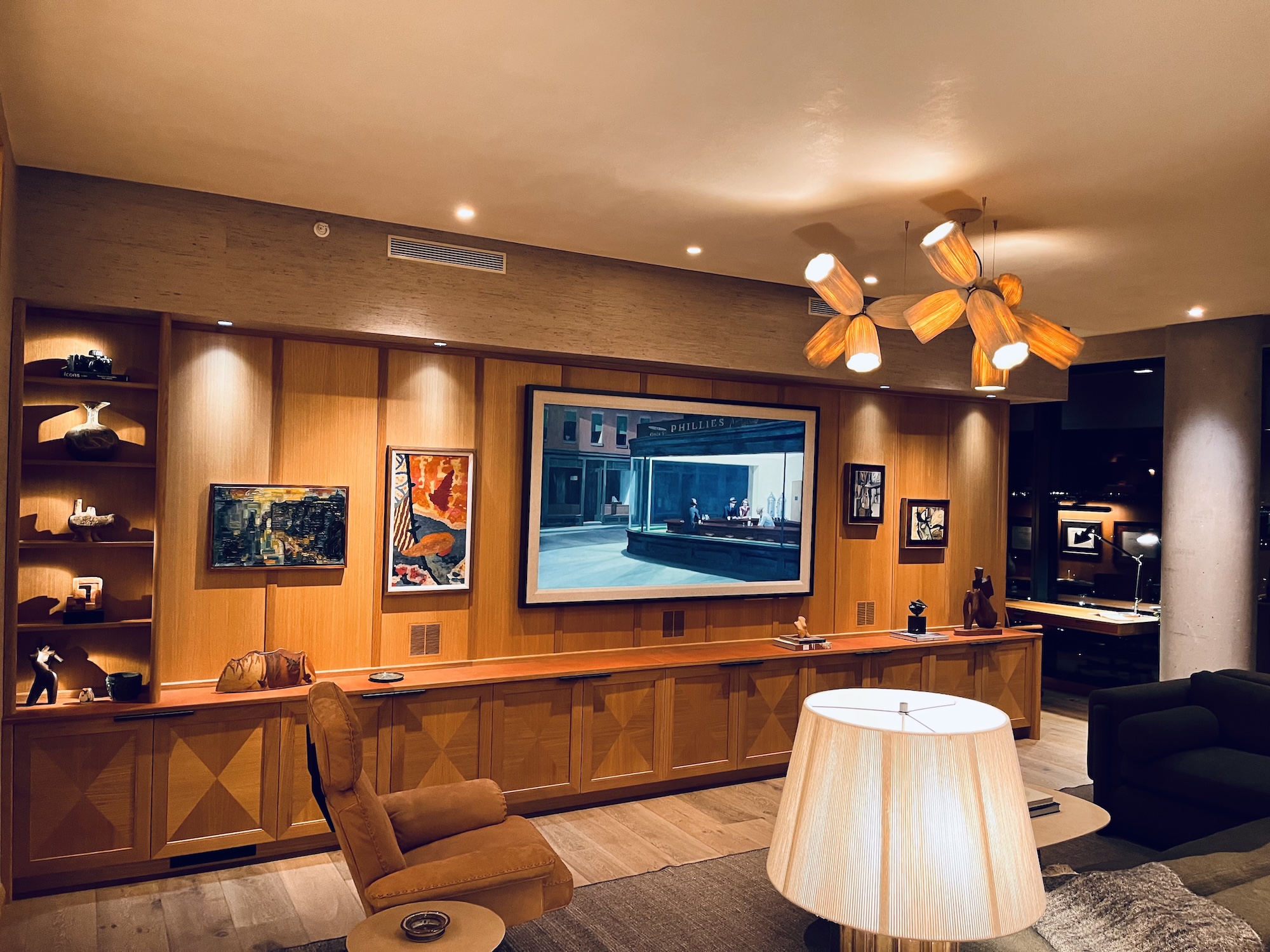

There’s a quiet shift happening across the industry—and it’s not entirely wrong. Dealers and integrators are waking up to a simple truth: lighting is one of the most lucrative categories in any given project. Fixtures move. Margins add up. The numbers make sense. On paper, it’s a win.
But step back for a moment, and a different picture starts to emerge.
Somewhere along the way, the conversation has drifted. What should be about experience, architecture, and human interaction with space has narrowed into something far more transactional. The focus has become the fixture itself—the trim, the output, the spec sheet—rather than what that fixture is actually meant to do. And that’s where things start to unravel.
To be clear, fixtures matter. They are a critical part of the equation. Ignoring their role would be shortsighted. But when fixtures become the starting point, they quietly become the only point. The process shifts from designing to selecting, from solving problems to swapping products. One fixture replaces another based on a new assumption—often more expensive, sometimes more complex—but rarely more intentional.
It becomes a cycle of upgrades without understanding.
A better analogy might be a hammer. No one buys a hammer simply to own one. The hammer exists to build something—to serve a larger purpose. But if all the attention is placed on the hammer itself—its material, its grip, its brand—while the house it’s meant to build is overlooked, the result is predictable: a collection of tools without a coherent outcome.
Lighting fixtures operate in much the same way. They are tools—powerful ones, certainly—but still tools. Without a clear design intent guiding their use, they don’t create meaningful experiences. They simply fill space.
This is where design re-enters the conversation. Design provides the missing layer of context. It answers the questions that fixtures alone cannot: What should this space feel like? How does it function throughout the day? Where should attention be drawn, and where should it recede? How do different layers of light interact to support both task and atmosphere?
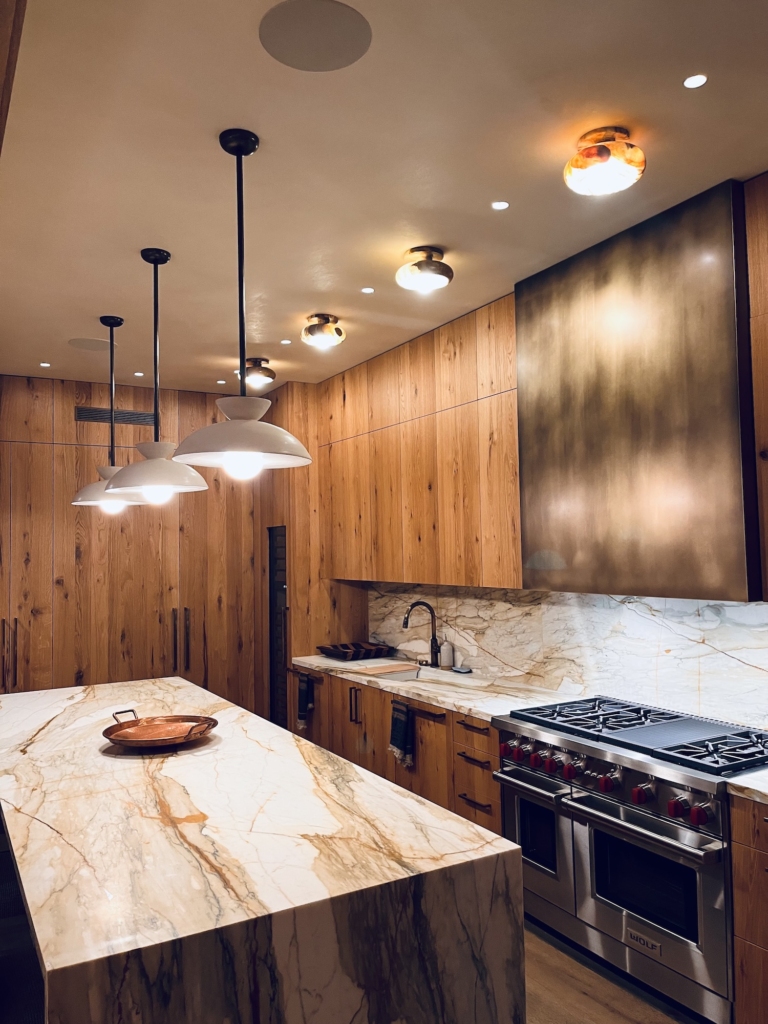
Without these considerations, even the most advanced fixture becomes a well-lit guess.
One of the simplest ways to expose this gap is through a straightforward exercise. As difficult as it might be, try to present a compelling lighting concept without mentioning a single fixture. Ignore the brands. Avoid specifications. No technical language. Just describe the experience—how the space behaves, how it transitions, how it supports the people within it.
For many, that exercise is surprisingly difficult. And that’s the point. It reveals how dependent the conversation has become on product rather than purpose. Because if the experience can’t be clearly articulated without referencing the tools, then the tools have taken over the narrative.
There’s a fundamental distinction at play here. On one path, lighting remains a product-driven category that is focused on moving boxes, competing on features, and navigating the inevitable pressure on margins. On the other, it becomes an experience-driven discipline, one that leads with intent, builds trust, and uses technology as a means to an end.
The difference isn’t philosophical. It’s practical.
When design leads, fixture selection becomes more precise, and control strategies become more meaningful. Budgets are easier to justify because they are tied to outcomes rather than objects. And perhaps most importantly, the results are consistent because they are rooted in purpose, not assumption.
This doesn’t reduce the role of fixtures. If anything, it elevates them. They are no longer interchangeable components but carefully chosen tools, each serving a defined role within a larger vision.
That shift from product to purpose is where the real opportunity lies.
So instead of asking, “What fixtures should we use here?” a better question might be, “What should this space feel like when it’s working perfectly?” Answer that first, and everything else begins to fall into place.
Because in the end, fixtures don’t create great lighting.
Design does.
